Shape & size
Round, shield and custom outlines can be discussed. Keep small text readable and consider where the pin will be worn. Cut-outs and complex shapes need a feasibility check.
Understand the main ways a pin can be made, then choose the details around your design.
Raised metal outlines surround recessed colour, creating a tactile finish for bold illustrations, club emblems and merchandise.
Metal dividers separate areas of enamel. Very fine lines and small lettering need a practical size. A clear coating, if requested and suitable, changes the surface feel.
Discuss soft enamel ↗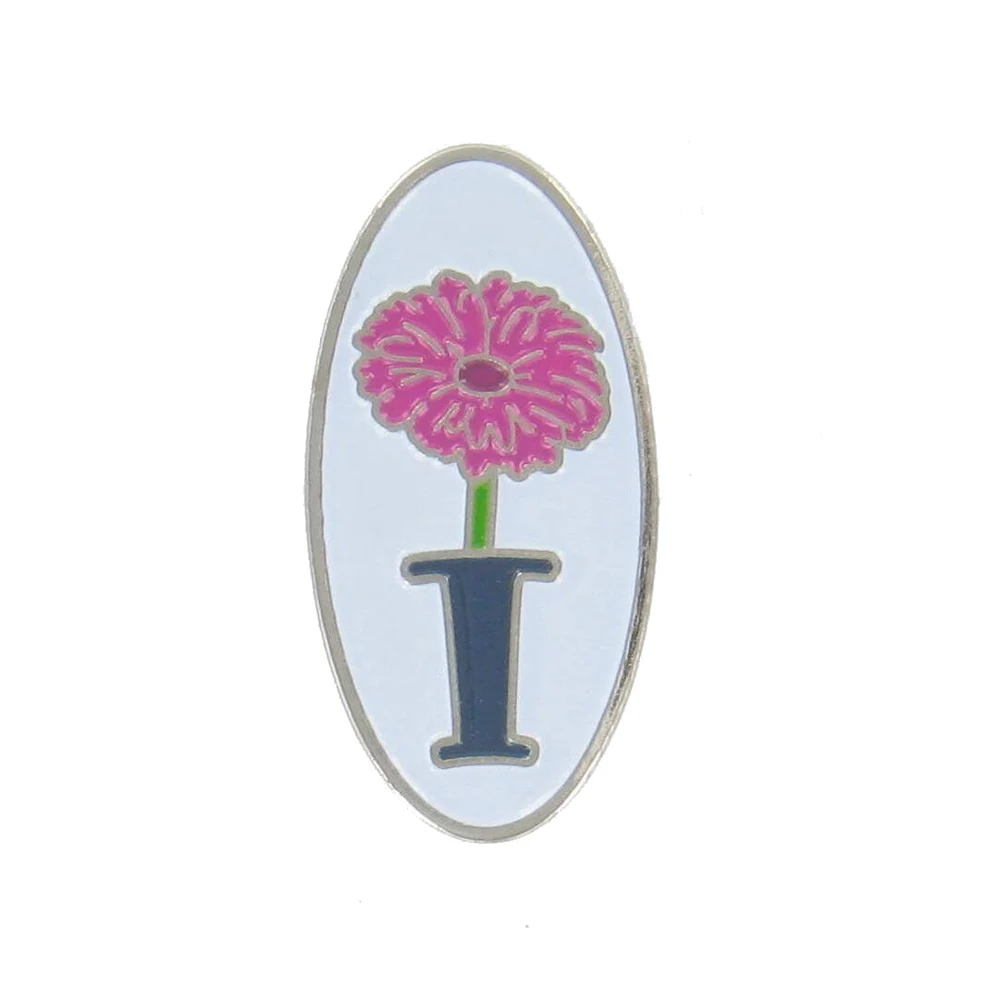
Colour and metal sit level after polishing. A considered choice for clean brand marks, commemorative pins and recognition gifts.
Modern hard enamel may use coloured resin; traditional cloisonné uses fired glass. These are different processes, so confirm the exact material and colour-matching approach in your quote.
Discuss hard enamel ↗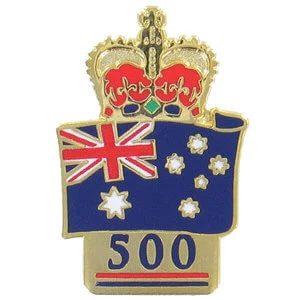
A design is stamped into metal, using raised and recessed detail instead of colour. Polished, textured or antique effects can bring out the relief.
An uncoloured design relies on contrast between metal surfaces. Shading in a drawing may need to become raised, recessed or textured detail.
Discuss die struck metal ↗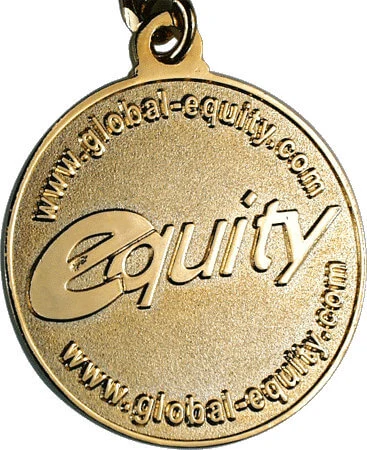
Artwork is printed onto a pin surface. This can suit gradients, intricate images and small details that are difficult to separate with metal lines. A clear protective coating may be an option.
Printing differs from enamel because colours do not need individual metal borders. Legibility still depends on pin size, image resolution and the print method.
Discuss printed pins ↗
| Type | Surface | Consider it for |
|---|---|---|
| Soft enamel | Raised lines, recessed colour | Bold logos and merchandise |
| Hard enamel | Smooth and polished | Brand marks and recognition |
| Die struck | Raised and recessed metal | Classic emblems and milestones |
| Printed | Printed image; coating varies | Gradients and intricate artwork |
Round, shield and custom outlines can be discussed. Keep small text readable and consider where the pin will be worn. Cut-outs and complex shapes need a feasibility check.
Discuss solid enamel colours or printed gradients alongside gold-tone, silver-tone, copper, black nickel or antique effects. Reference colours help, but matching and finish availability need confirmation.
Discuss butterfly clutches or magnetic fittings, backing cards and gift boxes. Confirm suitability and pricing, particularly for heavier pins and delicate clothing.
Tell us what you have in mind. Start with a design, a sketch or just an idea.